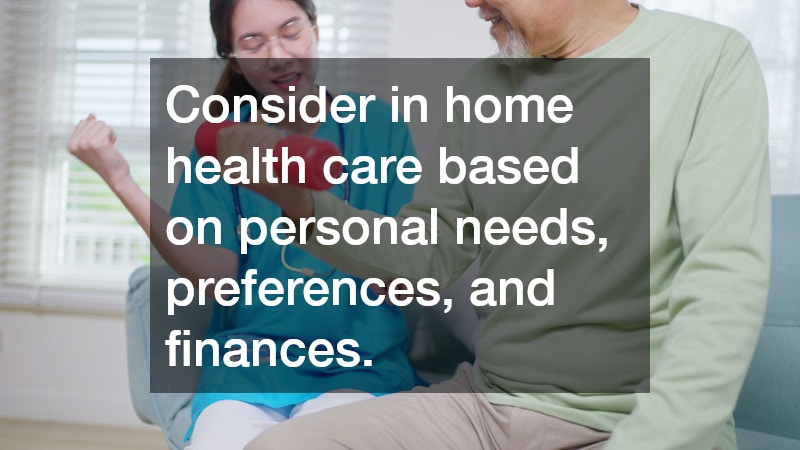

In home health care is an increasingly popular service, providing medical support right at home. This article examines its aspects to determine if it’s suitable for you or your loved ones.
It is highly beneficial for those seeking personalized care in the comfort of their home.
1. What Does In Home Health Care Include?
1.1 Medical Services Provided
In home health care offers various medical services like routine checkups, medication administration, and rehabilitation therapies. Registered nurses provide services like wound care and pain management. This personalized attention ensures quality care, allowing family involvement and reducing stress, aiding recovery. It may also lower healthcare costs by reducing hospital visits and adapting care plans to financial constraints. The tailored medical attention aligns well with individual health goals and preferences.
1.2 Non Medical Services Offered
Non medical services support daily living, including assistance with hygiene, meal preparation, and transportation. This support maintains independence and enhances the quality of life. Additionally, companionship combats loneliness and enhances mental health, benefiting the elderly. The services promote independence, self worth, and engagement in a supportive environment. These non medical services adapt to evolving personal needs over time.
2. Who Can Benefit from In Home Health Care?
2.1 Suitable Candidates
It benefits the elderly, individuals with chronic illnesses, and those recovering from surgery. Seniors receive essential support in familiar settings, and conditions like chronic illnesses are managed without frequent hospital visits. Families caring for disabled loved ones or children with special needs find professional assistance improves independence and developmental support. Post operative adults benefit from personalized recovery in a home setting. Candidates experience a seamless integration of care into their everyday life.
2.2 Examples
John, a 70 year old with arthritis, benefits from in home health care with physical therapy, household task assistance, and medication administration. Maria, recovering from knee surgery, receives rehabilitation at home. The Lewis family utilizes in home care for their son with cerebral palsy, providing physical therapy and education in a supportive environment. These examples illustrate the diverse range of benefits this care provides.
3. How Is In Home Health Care Different from Other Options?
3.1 Comparison with Nursing Homes
In home care offers personalized, home based services compared to collective care in nursing homes. Costs are more flexible in in home care, providing tailored plans. Human connections are strengthened through one on one interactions, enhancing emotional well being. This approach ensures that care is given in a context that feels personal and familiar.
3.2 Assisted Living versus In Home Care
Assisted living offers community and shared amenities, while in home care allows personalized support and day to day freedom. Costs vary, with in home care offering customizable plans to suit financial resources, providing a sustainable choice for many families. It offers a more intimate care setting compared to traditional living options.
4. What Are the Costs Associated with In Home Health Care?
4.1 Breakdown of Costs
Costs vary based on services, with options like governmental aid reducing expenses. Customized care packages align with financial conditions, minimizing hospital stays. An adaptable cost framework caters to different financial capabilities.
4.2 Insurance and Payment Options
Medicare and Medicaid provide coverage under specific conditions. Private insurance and other financial resources can assist in managing the cost of in home health care. Understanding coverage details helps in financial planning for long-term care needs.
5. How to Choose the Right In Home Health Care Provider?
5.1 Factors to Consider
Consider provider credentials, range of services, and financial conditions. Clear communication ensures alignment with needs. Making an informed choice can greatly impact the effectiveness of care received. Additionally, seeking recommendations and reviews from current or former patients can provide valuable insights into the quality of care offered.
5.2 Questions to Ask Potential Providers
Inquire about caregiver qualifications, offered services, emergency preparedness, payment models, and insurance acceptance for informed decision making. Engaging with potential providers allows for understanding the nuances of the service.
Consider in home health care based on personal needs, preferences, and finances. It provides independence and support, helping improve quality of life. Evaluate options, seek expert advice, and engage in open conversations with professionals and family to determine the best care pathway. Thoughtful consideration of these aspects can lead to a fulfilling and balanced care experience.