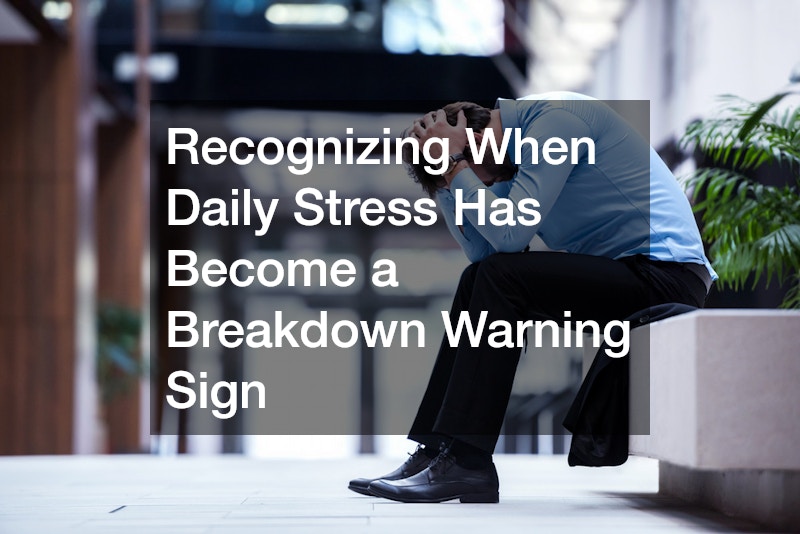

Everyone feels overwhelmed sometimes, but there is a real difference between an ordinary rough week and a body or mind signaling that it is heading toward collapse. Learning to spot that shift early can protect your health, your relationships, and your ability to function at work and at home. This article walks through the physical, emotional, and behavioral warning signs that stress has crossed into dangerous territory, along with practical steps for getting support before a full breakdown occurs. Whether the strain is showing up in your sleep, your body, or your family life, recognizing the pattern is the first step toward relief.
Physical Symptoms That Signal Chronic Overload

Chronic stress rarely stays confined to your mind. It shows up in headaches, chest tightness, digestive trouble, and muscle tension that lingers for weeks instead of days. Many people ignore these signals until they become severe enough to interfere with daily tasks like driving, working, or sleeping through the night.
Persistent muscle tension in the neck, shoulders, and lower back is one of the most common physical markers of unmanaged stress. When over-the-counter remedies stop helping, a local chiropractor can assess whether the tightness is purely stress-related or compounded by posture and alignment issues that developed during months of hunching over a desk or phone.
- Frequent tension headaches or migraines
- Unexplained stomach pain, nausea, or appetite changes
- Jaw clenching or teeth grinding at night
- Chest tightness without a cardiac cause
- Chronic fatigue that sleep does not fix
Sleep Disruption as an Early Warning Signal
Sleep is often the first casualty of rising stress, and it is also one of the clearest indicators that something deeper is wrong. Trouble falling asleep, waking repeatedly, or feeling exhausted despite eight hours in bed all point to a nervous system that is stuck in overdrive. Left unaddressed, poor sleep compounds every other symptom on this list, making emotional regulation and decision-making even harder.
If sleep problems persist for more than a few weeks, it is worth ruling out physical contributors alongside the psychological ones. Some people discover that breathing difficulties, snoring, or shortness of breath are worsening their rest, and a visit to a local respiratory rehab program can help identify whether lung function or airway issues are feeding into the exhaustion cycle.
Emotional Numbness and Sudden Mood Swings

One of the more overlooked signs of an approaching breakdown is emotional flatness, where you stop reacting to things that used to bring joy or frustration. This numbness often alternates with sudden bursts of irritability, tearfulness, or anger that feel disproportionate to the situation. Friends and family may notice these shifts before you do, since it can be hard to recognize your own emotional baseline slipping.
This kind of volatility is different from a normal bad mood because it tends to repeat in a pattern rather than appearing once and passing. If you notice yourself snapping at loved ones over minor issues or feeling detached during moments that should matter to you, it is a signal that your coping resources are running dangerously low.
- Crying easily over small frustrations
- Feeling detached from people you love
- Sudden anger followed by guilt or shame
- Loss of interest in hobbies or social plans
- A sense of being on the verge of tears without a clear reason
Cognitive Fog and Declining Concentration
When stress becomes chronic, the brain’s ability to focus, plan, and remember details starts to deteriorate. You might find yourself rereading the same email three times, forgetting appointments, or losing track of conversations mid-sentence. This is not a character flaw or laziness; it is a physiological response to prolonged cortisol exposure affecting the prefrontal cortex.
Cognitive fog becomes especially concerning when it starts affecting your ability to care for dependents or manage household responsibilities. Parents juggling work deadlines alongside pediatric appointments often notice this fog first when they miss scheduling a checkup or forget to follow up with pediatricians about a child’s ongoing symptoms, which can add another layer of guilt on top of the stress itself.
Withdrawal From Family Responsibilities and Routines
A subtle but telling sign of breakdown-level stress is stepping back from responsibilities you normally handle without a second thought. This can look like letting mail pile up, avoiding phone calls, or repeatedly postponing tasks that involve other people depending on you. Over time, this withdrawal can strain relationships, especially when family members do not understand why you suddenly seem unreliable.
For parents, this pattern often surfaces around children’s healthcare needs, since pediatric care requires consistent follow-through. Missing a scheduled visit at the local pediatric office or forgetting to renew a child’s medication refill are small moments that, taken together, suggest your bandwidth has shrunk far below normal capacity.
- Letting bills or paperwork pile up unopened
- Canceling plans repeatedly at the last minute
- Forgetting recurring family obligations
- Relying heavily on others to manage tasks you used to handle
- Feeling relief rather than guilt when responsibilities are dropped
Financial and Administrative Stress Signals
Money worries and breakdown-level stress often feed each other in a loop that is hard to escape. When people feel financially cornered, they frequently avoid dealing with paperwork altogether, including reviewing coverage or filing claims. Reaching out to insurance agencies for clarification on a policy or a denied claim can feel unbearable when you are already stretched thin, so the task gets pushed aside indefinitely.
Avoiding financial administration is a warning sign worth taking seriously because unresolved paperwork tends to snowball into bigger problems, like lapsed coverage or missed reimbursements. If you notice yourself avoiding calls or letters related to money matters entirely, it may be less about disorganization and more about being at your emotional limit.
Physical Mobility Changes in Aging Family Members Under Your Care

Caregiving stress deserves its own category because it compounds personal stress with the responsibility of another person’s safety and well-being. Watching an aging parent struggle with stairs or standing up from a chair adds constant low-level worry that rarely gets a break, even overnight. Many caregivers do not realize how much this vigilance is wearing on them until they notice their own health declining alongside their loved one’s.
Practical home modifications can sometimes ease this specific source of stress considerably. Installing stair lifts or investing in a supportive lift chair can reduce daily fall risk and give both the caregiver and the family member more independence, which in turn frees up mental space that was previously spent worrying about every trip up the stairs.
- Constant worry about falls or mobility accidents
- Physical strain from assisting with transfers or stairs
- Disrupted sleep from nighttime caregiving checks
- Guilt over wanting personal time away from caregiving duties
- Resentment building toward the situation rather than the person
Appearance and Self-Care Neglect as a Breakdown Indicator
When stress reaches a breaking point, personal care is often the first thing to slide. Skipped showers, unwashed hair, and the same worn clothes on repeat are common signs, and they tend to happen quietly because they do not immediately affect anyone else. Self-neglect rarely announces itself; it creeps in one skipped routine at a time until it becomes the norm.
Medical and dental care are usually next to fall away. Ignored dental checkups, postponed physicals, and unfilled prescriptions pile up because they require planning, phone calls, and follow-through that an overloaded mind simply cannot spare. Even something as routine as scheduling a visit to a local kids dentist for your child can start feeling like an impossible task to organize when your mental load is maxed out.
This kind of avoidance often extends to the whole household’s upkeep, not just your own. Grocery runs get skipped in favor of whatever is fastest, laundry backs up for weeks, and small home maintenance tasks go unresolved. Each of these on its own seems minor, but together they signal that someone no longer has the bandwidth to manage basic life functions.
It helps to watch for a pattern rather than a single missed appointment. One skipped haircut or a rescheduled dentist visit is normal life; several weeks of neglecting hygiene, health care, and household needs all at once is a warning sign worth taking seriously.
This kind of neglect is not about vanity; it is a measurable signal of how much capacity a person has left for anything beyond survival. When basic self-care starts slipping, the brain has essentially shifted into triage mode, allocating its limited resources to whatever feels most urgent for getting through the day and deprioritizing anything considered “extra,” even things that support your health and appearance.
Watch for a few specific patterns: showering less frequently than usual, wearing the same unwashed clothes multiple days in a row, skipping meals or teeth brushing, or letting hair and skin care routines lapse entirely. Another telling sign is avoiding mirrors altogether, or catching your reflection and feeling detached from what you see, as though grooming yourself requires more energy than you have available.
Pay attention, too, to longer-term goals that quietly fall off your radar. If you notice yourself avoiding mirrors, skipping basic hygiene, or feeling too depleted to consider changes you once wanted for yourself, including cosmetic procedures like mommy makeovers that used to interest you, it may indicate that emotional exhaustion has taken priority over everything else in your life.
The disappearance of that interest is often more diagnostic than people realize. Wanting to look and feel like yourself again is usually a sign of reserved energy and forward-looking motivation, so when that desire evaporates without explanation, it is worth treating as a warning sign rather than a passing mood.
When Outpatient or Structured Treatment Becomes Necessary

For some people, the warning signs described above eventually reach a point where willpower and lifestyle adjustments are not enough. Maybe sleep hasn’t improved despite weeks of trying, or the sense of dread before work has turned into panic attacks. This is when structured mental health support becomes a reasonable and often necessary option rather than a last resort.
Recognizing this threshold usually involves noticing that symptoms are interfering with basic functioning: missed workdays, strained relationships, or an inability to complete routine tasks like grocery shopping or responding to emails. If these disruptions persist for more than two or three weeks despite your best efforts, it’s a signal that professional-level support may be needed.
A partial hospitalization program offers a middle ground between traditional weekly therapy and full inpatient care, providing intensive daily support while allowing you to return home each evening. These programs typically run five days a week for several hours at a time, combining group therapy, individual counseling, and psychiatric oversight in one coordinated plan.
For many, this level of structure fills a critical gap. It offers enough clinical intensity to stabilize symptoms quickly, while still letting participants maintain some independence, stay connected to family, and practice new coping strategies in their actual daily environment rather than in an isolated hospital setting.
Recognizing that you need this level of care is not a failure; it is an accurate reading of your own warning signs. When self-help strategies, weekend rest, and lifestyle adjustments no longer touch the exhaustion or dread you’re carrying, that’s information, not a personal shortcoming.
Intensive outpatient programs (IOPs) and partial hospitalization programs (PHPs) typically combine group therapy, individual counseling, and medication management for people whose stress has escalated into anxiety, depression, or burnout severe enough to disrupt daily functioning. IOPs usually meet three to five days a week for a few hours at a time, allowing you to keep working or attending to family responsibilities while getting consistent clinical support. PHPs offer a more intensive schedule, often six hours a day, five days a week, and are typically used when symptoms are more severe but hospitalization isn’t necessary.
Signs that this level of care may be warranted include missing work or school repeatedly, withdrawing from relationships you once valued, relying on alcohol or other substances to get through the day, or noticing that panic, tearfulness, or numbness now interfere with basic tasks like eating, sleeping, or leaving the house. A licensed therapist or primary care physician can help assess where you fall on that spectrum and refer you to a program suited to your needs. Many insurance plans cover these programs, so checking with your provider is a practical first step alongside the emotional one.
- Difficulty completing basic daily tasks despite trying — showering, cooking, or answering emails feels physically impossible, not just unappealing
- Stress symptoms that haven’t improved after 2-3 weeks of consistent self-care (exercise, sleep, journaling)
- Recurring thoughts of wanting to escape your life entirely, including fantasies of disappearing or not waking up
- A support system that recognizes you need more structured help, especially if multiple people have independently voiced concern
- Previous therapy that no longer feels sufficient — weekly sessions can’t keep pace with daily crisis-level symptoms
- Physical symptoms with no medical cause, like chest tightness, GI issues, or headaches that persist despite clean test results
- Increasing reliance on alcohol, food, or other substances just to get through an ordinary day
Stress becomes dangerous not when it appears, but when it stops responding to rest, support, or ordinary coping strategies. Paying attention to the physical, emotional, and behavioral patterns outlined here gives you a real chance to intervene before a full breakdown occurs. If several of these signs feel familiar, consider it a signal to reach out for professional support rather than waiting for the situation to resolve on its own. Taking that step is not an overreaction; it is the most direct path back to stability.