
When considering wound care products, it’s essential to first understand the type of wound you’re dealing with. Various wound types, such as abrasions, lacerations, and punctures, all require different care techniques. Abrasions, often referred to as grazes or scrapes, occur when the skin rubs or scrapes against a rough surface. Lacerations, on the other hand, are deep cuts or tears in the skin and may necessitate more intensive intervention.
Puncture wounds are caused by an object piercing the skin and can introduce dirt and bacteria, potentially increasing infection risk. Identifying the exact nature of the wound is critical to ensure proper healing and minimize complications.
The healing process of a wound is divided into phases: hemostasis, inflammation, proliferation, and remodeling. Each stage requires specific conditions and care to facilitate optimal healing. For instance, during inflammation, the wound may appear red and swollen, requiring a product that reduces infection risk while managing exudate. For wounds with excessive moisture, choosing dressings with absorptive properties helps manage fluid levels and promotes faster healing. Additionally, understanding the phases helps in selecting products that protect delicate new tissue while minimizing potential scarring.
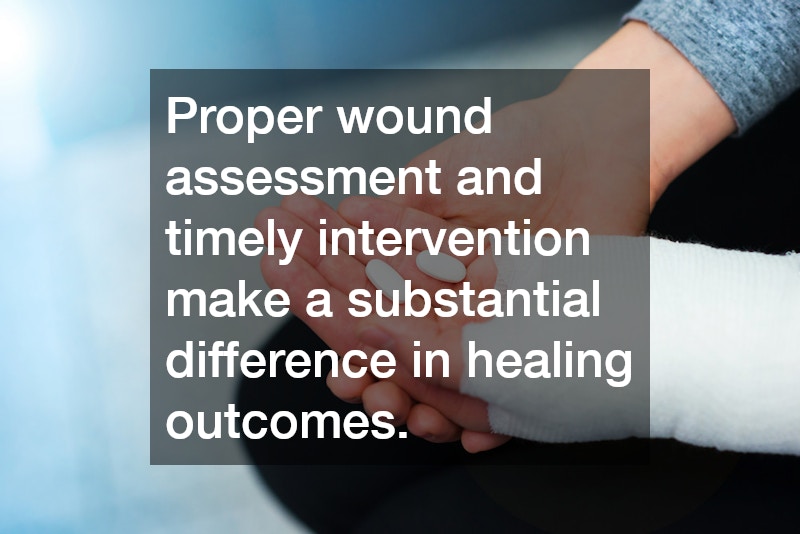
Proper wound assessment and timely intervention make a substantial difference in healing outcomes. Identifying the wound’s depth, size, and location aids in selecting the appropriate dressing. This initial assessment sets the stage for determining treatment objectives, such as infection prevention, exudate management, and facilitating epithelialization. Every wound type has its challenges; thus, the choice of wound care products should be personalized to cater to individual wound characteristics. The assessment not only guides treatment but also helps monitor progress, ensuring timely adjustments to the care plan.
The Importance of Dressing in Wound Healing
Dressings play a crucial role by creating a conducive environment for wound healing. They provide a barrier that shields the wound from external contaminants, minimizing the infection risk. Besides protection, dressings can manage moisture levels, which is vital as a wound that is too dry or too wet can hamper the healing process. Maintaining a balanced moisture level helps in cell proliferation and migration. Also, certain dressings offer antimicrobial properties which are particularly beneficial in managing infected wounds or preventing infections in high-risk patients.
Hydrogels, for example, maintain a moist environment and are particularly useful for wounds that have dry necrotic tissue. These dressings help in autolytic debridement by softening and liquefying necrotic tissue, facilitating its removal. Foam dressings, on the other hand, are beneficial for wounds with moderate to heavy exudate. They absorb excess fluid while maintaining a moist wound interface, preventing maceration of surrounding tissue. Notably, some products integrate antimicrobial agents, such as silver, enhancing their ability to manage and reduce bacterial load within chronic or non-healing wounds.
The advancement in wound care products has revolutionized the approach to treating various wound types. With innovations such as hydrocolloids, which are adept at managing minimal to moderate exudate, it emphasizes customization in wound treatment. Additionally, alginate dressings derived from seaweed offer substantial benefits for heavily exudating wounds, absorbing and transforming into a gel-like substance that maintains moisture. These advancements underscore the importance of matching the dressing to the wound’s characteristics and stage, which can greatly influence healing outcomes and patient comfort.
Choosing the Right Dressing for Different Wounds
Selecting the right dressing is not a one-size-fits-all approach but a tailored decision based on the wound’s specific needs. For wounds with minimal exudate, thin-film dressings offer sufficient protection while allowing for moisture vapor exchange. This category is excellent for superficial wounds such as abrasions and minor cuts. In stark contrast, chronic wounds like pressure ulcers might require more specialized products like negative pressure wound therapy systems, which aid in reducing bacterial load while promoting rapid healing. It’s critical to evaluate the wound as a whole, taking note of any changing characteristics that could influence dressing choice.
It is essential to consider not only the physical requirements of the wound but also the patient’s unique needs and lifestyle. Patient compliance can be enhanced when the chosen wound care product is easy to apply and remove, thus minimizing discomfort. Allergies or sensitivities to certain components should also be contemplated, as some dressings may contain latex or other potential irritants. Additionally, for those at risk of infection or who have existing infections, dressings with built-in antimicrobial properties should be prioritized. The patient’s general health status, including any underlying chronic conditions, may also dictate a more intensive wound care approach versus standard dressings.
As technology and research advance, new wound care products continue to emerge, providing more sophisticated solutions for complex wounds. Healthcare professionals are encouraged to stay informed about new developments to provide their patients with optimal care. Education on the appropriate use and application techniques for these products is vital, ensuring the full potential of modern dressings is realized. A holistic approach that considers all factors affecting wound healing will result in better outcomes and enhanced quality of life for the patient. Each step in the selection process should focus on promoting effective healing while maintaining ease of use for both the caregiver and patient.